Alma Negra- Las Lajas Micromill |Light- Medium Roast
Alma Negra- Las Lajas Micromill |Light- Medium Roast
Couldn't load pickup availability
Traceability of the coffee:
Roast Level: Light to Medium Roast
Roaster Tasting Notes: Boozy acidity, cherry and chocolate
Variety: Catuai
Score: 90 points
Crop Year: 2025
Process: Alma Negra-Natural
Altitude: 1400-1600 masl
About Don Jorge
Alma Negra is a powerful and expressive coffee produced by Oscar and Francisca Chacón, third-generation farmers and pioneers of specialty coffee processing in Costa Rica. More than a family tradition, coffee is their life’s work — driven by passion, innovation, and a relentless commitment to quality. Through Las Lajas Micro Mill, the Chacón family helped redefine Costa Rican coffee by introducing Honey and Natural processes at a time when washed coffee dominated the country.
In 2005, the Chacón family joined the micromill revolution, allowing them to control quality from harvest to drying. After a devastating earthquake in 2008 cut off water and electricity during harvest, necessity sparked innovation. Inspired by African coffee traditions, Francisca built raised drying beds and perfected natural processing, leading to coffees that are now internationally celebrated. Alma Negra, meaning “Black Soul,” is a reflection of that journey.
In the cup, Alma Negra is bold yet remarkably clean, showcasing ripe berries, fruity, deep chocolate, boozy acidity, and wine-like sweetness. This limited-release Costa Rican natural coffee is vibrant, complex, and unforgettable, a true expression of innovation, resilience, and craft.
Coffee Process
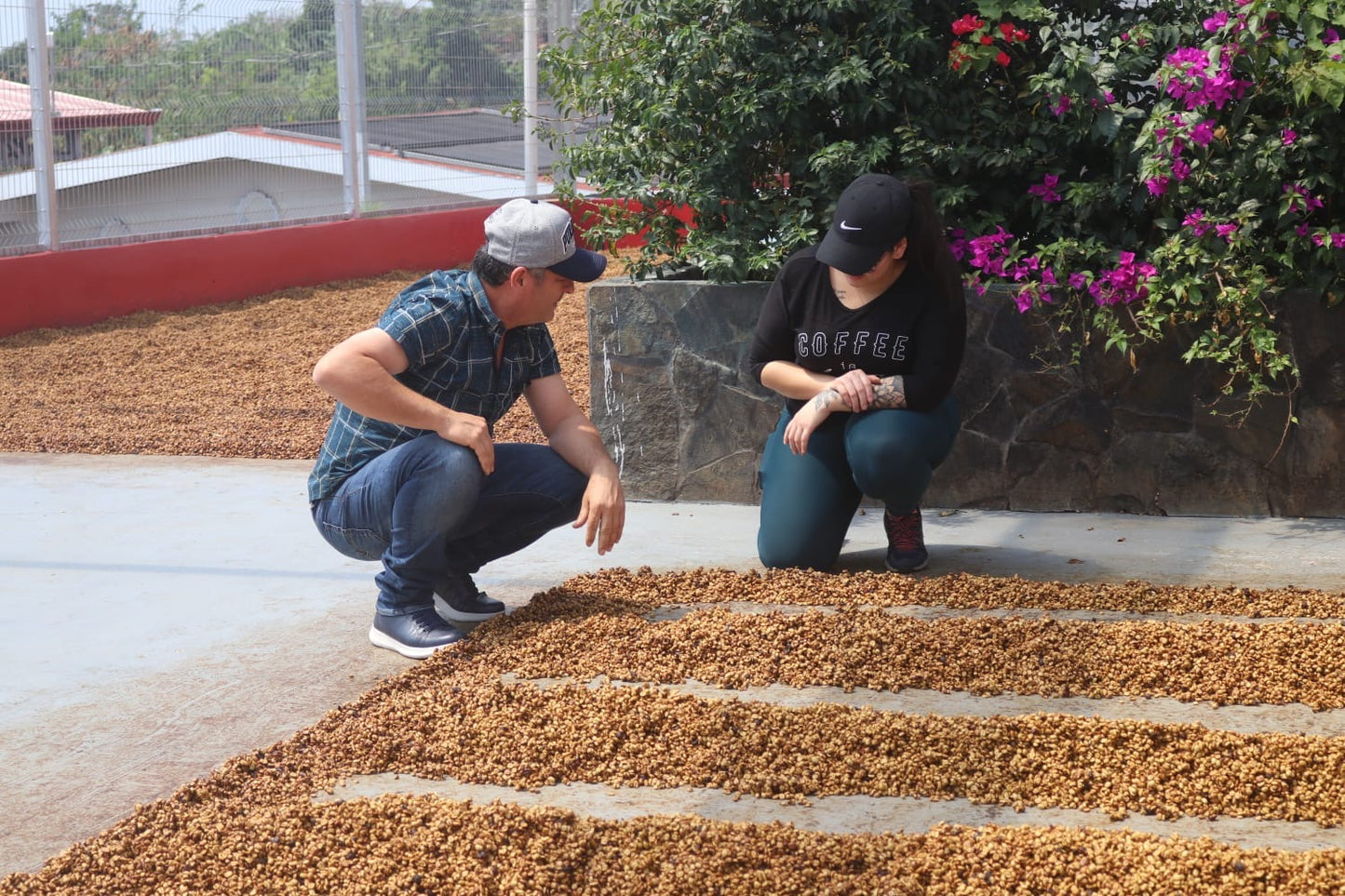
It is a natural process, where the coffee fruit is first classified to obtain those 100% ripe cherries with a high level of brix degrees. Later, they are placed on a raised bed for their dehydration process for at least a week, where they will be removed several times a day. After a week has passed, the cherries are transferred to the greenhouse patio, where during the day they are kept in a thin layer to absorb the heat of the sun, and during the night they are collected in the form of a mound. This same process is repeated the next day until drying is complete.